
How Smart Home Technology Is Changing Everyday Living
The Rise of Connected Homes
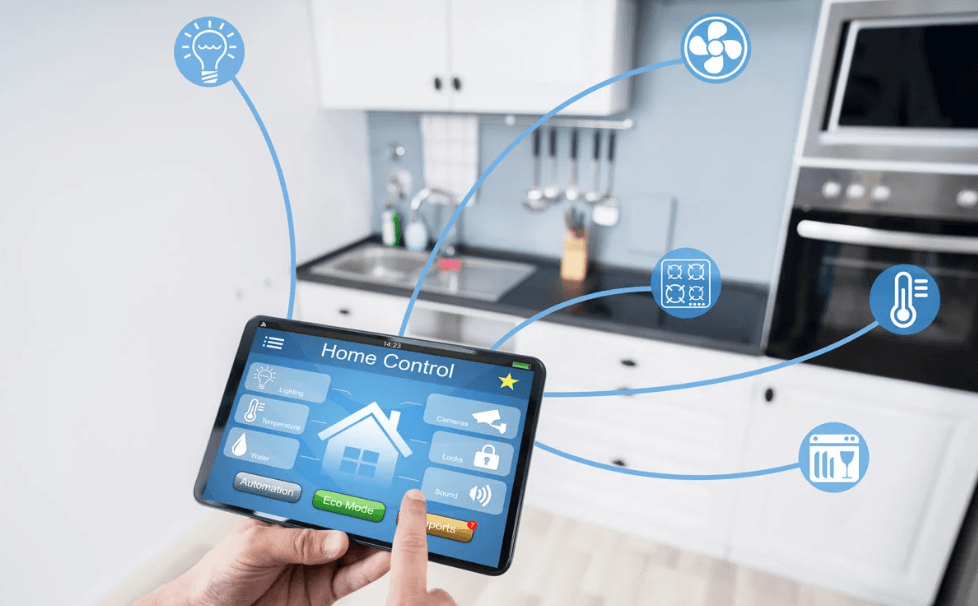
Technology has gradually moved beyond computers and smartphones and into the places where people live. Smart home devices now allow homeowners to control lighting, appliances, security equipment, heating, cooling, and entertainment systems through connected technologies.
A smart home does not necessarily need dozens of expensive devices. Even a few connected products can make ordinary tasks more convenient. Smart bulbs, plugs, doorbells, cameras, thermostats, speakers, and sensors can be combined according to individual needs.
The growing popularity of connected devices is changing how people interact with their homes. Instead of manually operating every device, homeowners can use mobile applications, schedules, sensors, or voice commands to manage certain functions.
Automating Everyday Tasks
One of the most noticeable advantages of smart home technology is automation. A device can be programmed to perform certain actions at particular times or in response to specific conditions.
For example, smart lighting can be scheduled to turn on in the evening and switch off later at night. A smart plug can control a connected appliance according to a schedule. Motion sensors can activate lights when someone enters a particular area.
Automation can be particularly useful for repetitive tasks. Rather than remembering every small action, homeowners can create routines that handle certain activities automatically.
Smart technology can also make homes more accessible for people who have difficulty operating conventional switches or controls. Voice commands and mobile interfaces may provide additional ways to interact with household equipment.
See also: thealitekeepsafe.com
Improving Home Awareness and Security
Connected security devices have become another important part of smart home technology. Video doorbells, cameras, motion sensors, and smart locks can provide homeowners with additional information about activity around their property.
Depending on the device and configuration, users may receive notifications when movement is detected or when someone approaches a door. Some systems allow users to view cameras remotely through a mobile application.
However, convenience should be balanced with privacy and security. Smart devices are connected to networks, which means their settings and accounts should be protected carefully. Strong passwords, software updates, appropriate privacy settings, and secure home networks can help reduce avoidable risks.
Homeowners should also understand where recordings and other data are stored before purchasing a connected security product.
Managing Energy and Household Resources
Smart technology can also help homeowners monitor and manage certain household resources. Connected thermostats may allow users to adjust heating or cooling schedules remotely. Smart plugs and energy-monitoring devices can provide information about electricity use.
The potential benefit depends on how the technology is configured and used. Simply purchasing a smart device does not automatically guarantee lower energy consumption.
Automation can become useful when it helps prevent unnecessary operation. For example, a schedule may reduce the amount of time a device remains active when nobody is home.
Smart lighting systems can similarly provide more control over when lights are used.
Building a Practical Smart Home
The best smart home is not necessarily the one with the largest number of connected devices. Adding too many systems from different manufacturers can create compatibility and management problems.
Homeowners can begin with a specific goal, such as improving lighting, security, or energy management. Once the system works reliably, additional devices can be introduced if they provide genuine value.
It is also important to consider long-term support. Software updates, compatibility, privacy policies, and account requirements can affect how useful a device remains over time.
Smart home technology can make everyday living more convenient, but thoughtful planning is essential. By choosing useful devices, securing connected accounts, and focusing on practical automation, homeowners can create technology-supported spaces without allowing devices to become unnecessarily complicated.
One Comment