
How Cultural Experiences Can Transform the Way You Travel
Discovering the Story Behind a Destination
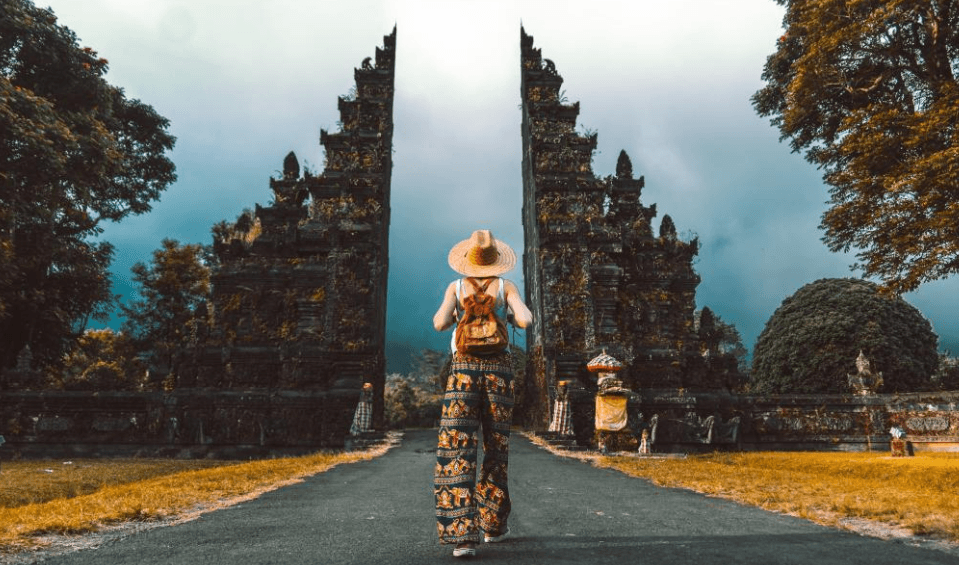
Travel becomes much more meaningful when you look beyond famous attractions and try to understand the story of a place. Every destination has traditions, customs, architecture, food, music, and everyday habits that reveal something about its history. Instead of simply taking photographs at popular landmarks, travelers can spend time learning why those places matter to local communities.
Visiting a historic neighborhood, entering a traditional building, or listening to a local guide explain an old tradition can completely change the way a destination feels. A street may appear ordinary at first, but learning about its past can turn it into one of the most memorable parts of a trip.
Cultural travel also encourages curiosity. Travelers become more willing to ask questions, observe carefully, and appreciate differences rather than comparing everything with home.
Connecting With Local Traditions
One of the easiest ways to experience culture is by participating in local traditions. Depending on the destination, this could include attending a cultural performance, visiting an artisan workshop, learning a traditional craft, or observing a local celebration.
Travelers should approach these experiences respectfully. Not every tradition is designed for tourists, and some customs may have religious or community significance. Asking permission before taking photographs and following local etiquette can make interactions more comfortable for everyone.
Even simple activities can provide valuable experiences. Learning how a traditional product is made or watching a local craftsperson work can offer a better understanding of the community than a quick visit to a souvenir shop.
Learning Through Local Food
Food is another powerful way to understand a culture. A destination’s cuisine often reflects its geography, history, agriculture, and social traditions. Trying regional dishes can introduce travelers to ingredients and cooking techniques they may never encounter at home.
Instead of visiting only international restaurant chains, travelers can explore family-owned restaurants, food stalls, bakeries, and traditional markets. Speaking with restaurant owners or cooks can sometimes reveal fascinating stories about recipes and local eating habits.
Food experiences can also become opportunities to learn about daily life. The time people eat, the way meals are shared, and the ingredients used in ordinary dishes can tell visitors a great deal about a community.
See also: thealitekeepsafe.com
Respecting Cultural Differences
Cultural travel requires an open mind. Customs that seem unusual to visitors may be completely normal within the local community. Clothing expectations, greetings, personal space, dining habits, and public behavior can differ significantly from one country or region to another.
Researching basic customs before traveling is therefore useful. A few minutes of preparation can prevent misunderstandings and demonstrate respect. Travelers should avoid treating local traditions as entertainment without considering their meaning.
Respect does not require understanding every custom immediately. It simply means being willing to observe, learn, and behave thoughtfully.
Bringing Cultural Memories Home
The best cultural travel experiences often continue after the journey ends. Travelers may return home with new recipes, stories, crafts, photographs, or a deeper appreciation for different ways of living.
These experiences can also influence future travel choices. Someone who enjoys learning about traditional architecture may become interested in historic cities, while another traveler may discover a passion for regional cuisine or handmade crafts.
Cultural travel is ultimately about more than seeing new places. It is about understanding people, appreciating differences, and creating memories connected to the character of a destination. When travelers take time to experience a place beyond its tourist attractions, the journey can become much richer and more personal.