
Creating a More Functional and Comfortable Living Room
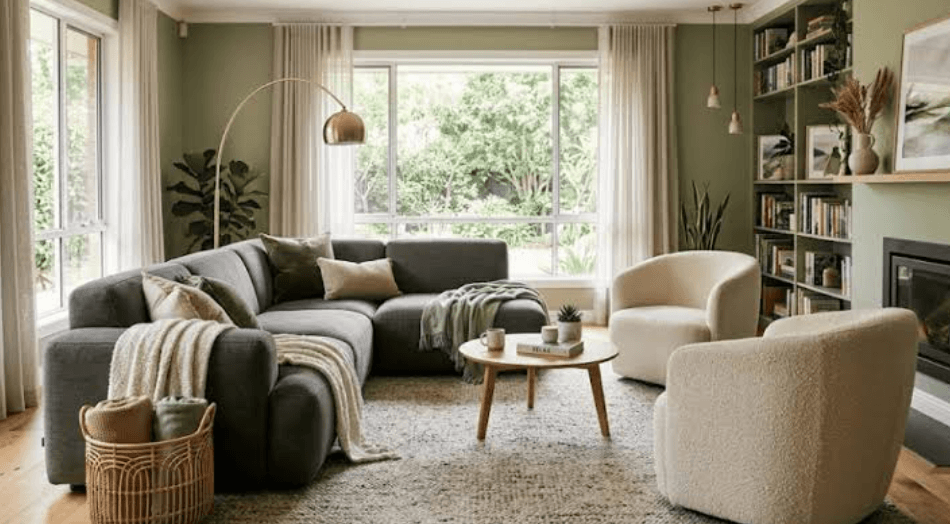
Start With the Purpose of the Space
The living room is often one of the busiest areas in a home. It may be used for relaxing after work, entertaining guests, watching movies, reading, or spending time with family. Because it serves several purposes, a successful living room improvement project should begin with understanding how the space is actually used.
Before purchasing new furniture or changing the décor, observe how people move through the room. Notice areas that feel crowded, corners that are rarely used, and furniture that makes movement difficult. This simple assessment can prevent unnecessary purchases and help create a more practical layout.
A comfortable living room does not necessarily need expensive furniture or a large amount of decorative material. Good organization, suitable lighting, and thoughtful furniture placement can make an existing room feel significantly better.
Improve Furniture Arrangement
Furniture placement has a major effect on the atmosphere of a living room. A sofa pushed against a wall may seem like the obvious choice, but depending on the room’s shape, bringing furniture slightly inward can create a more connected seating arrangement.
The main goal should be to create comfortable conversation areas while leaving enough space for people to walk around. Coffee tables, side tables, chairs, and sofas should work together rather than making the room feel like a collection of unrelated objects.
If the room is small, multifunctional furniture can be particularly useful. An ottoman with hidden storage, a compact side table, or a sofa with practical features can provide additional function without taking up excessive space.
Furniture should also match the scale of the room. Oversized pieces can make a small space feel crowded, while furniture that is too small may make a large room appear unfinished.
See also: thealitekeepsafe.com
Use Lighting to Change the Atmosphere
Lighting is one of the simplest ways to improve a living room. A single overhead fixture may provide enough general illumination, but several light sources can create a more flexible environment.
Floor lamps, table lamps, wall lighting, and strategically placed fixtures can provide different levels of brightness for different activities. Brighter lighting may be useful for reading or working, while softer lighting can create a relaxed evening atmosphere.
Natural light should also be considered. Keeping windows clean and avoiding unnecessary obstruction can help bring more daylight into the room. Curtains or blinds can provide privacy while still allowing homeowners to control the amount of incoming light.
The color and material of lampshades can also influence how light spreads. Small lighting changes can therefore produce a noticeable improvement without requiring major renovation work.
Add Storage Without Sacrificing Style
Clutter can quickly make a living room feel smaller and less comfortable. Instead of simply adding more cabinets, look for storage opportunities that fit naturally into the room.
Shelves can display books, photographs, plants, or decorative objects while keeping surfaces organized. Baskets can provide convenient storage for blankets, toys, or other frequently used items.
Furniture with built-in storage can also help. A storage bench, media cabinet, or coffee table with compartments can keep everyday items accessible without leaving them scattered around the room.
The goal is not to hide everything. A well-designed room can include personal belongings while maintaining a sense of order.
Refresh the Room With Small Changes
A living room does not always require a complete makeover. Replacing cushion covers, adding a rug, rearranging artwork, introducing plants, or changing curtains can give the space a different appearance.
Color can also be introduced through smaller items rather than permanent changes. This makes it easier to update the room when tastes change.
Home improvement works best when comfort and practicality are considered together. By improving the layout, lighting, storage, and decorative details, homeowners can create a living room that feels welcoming without relying on an expensive renovation.
One Comment